How do you set up a solar farm?
How do you set up a solar farm? This type of power generation model can deliver significant financial returns: A solar farm, or solar energy farm, is a development of photovoltaic solar panels that absorb energy from the sun and convert it into electricity. This electricity is…
By Thiago Tesserolo Souza4 min read
This type of power generation model can deliver significant financial returns:
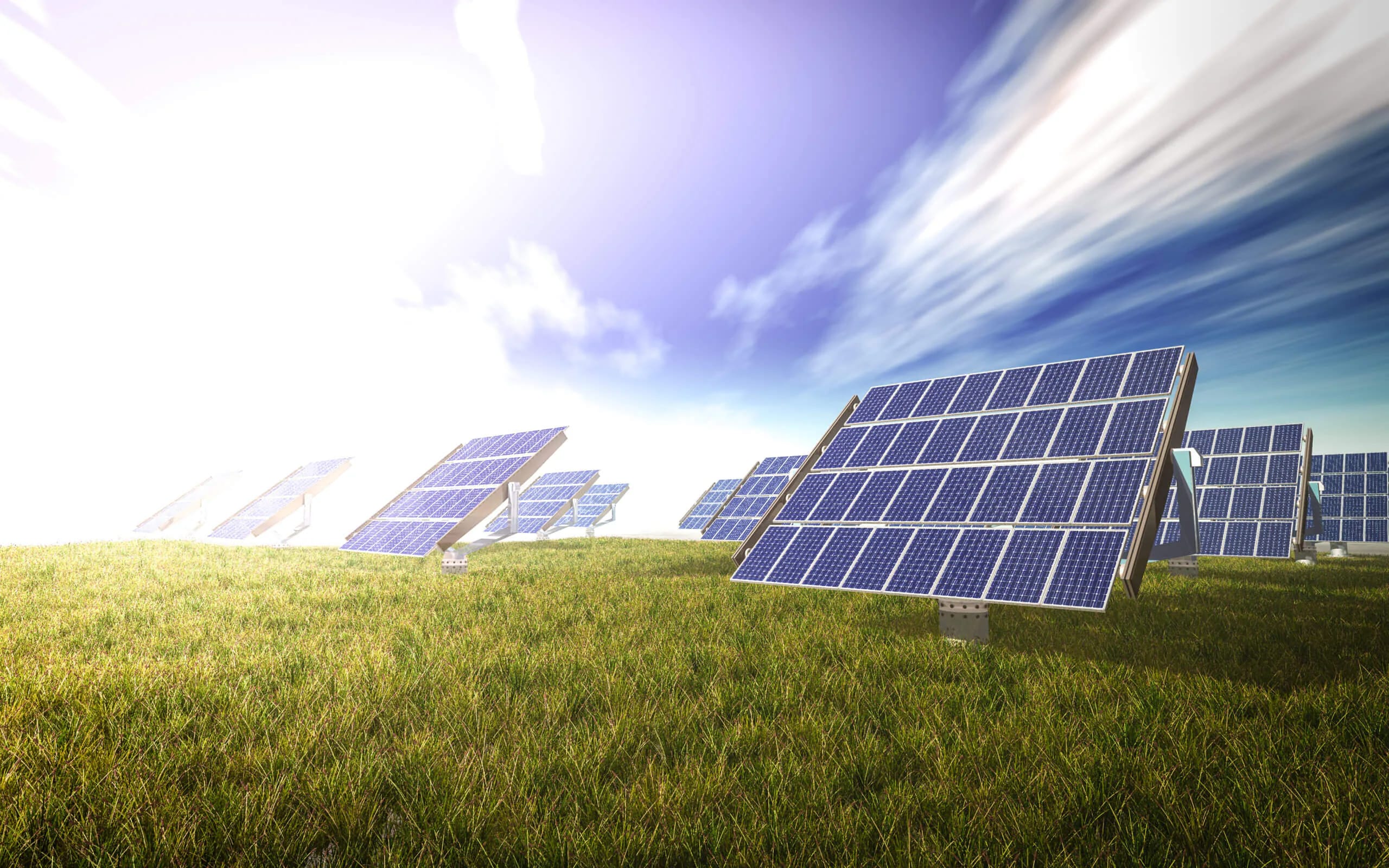
A solar farm, or solar energy farm, is a development of photovoltaic solar panels that absorb energy from the sun and convert it into electricity. This electricity is fed into the public distribution grid, generating energy credits.
These energy credits are used to obtain discounts on the electricity bill of the farm owner, or of other consumers designated by the owner.
Solar farms get their name because they are built on the ground rather than on roofs, and usually in areas far from city centers. In addition, they are an alternative way to “cultivate” the land and can deliver significant financial returns for those who decide to invest in this power generation model.
Solar farms are generally connected to the grid as DG (distributed generation).
How many solar panels does a solar farm need?
The size of a solar farm is usually defined in terms of capacity rather than number of panels. However, the number of panels can be calculated by dividing the total capacity of the solar farm by the individual capacity of each panel.
The typical capacity of a solar panel today is 500 W. So a 1 MW solar farm, for example, will have around 2,000 solar panels, occupying an area of approximately 1 hectare (10,000 m2).
Under current regulations (REN 482), the maximum capacity of a solar farm is 5 MW, and there is no minimum capacity. Solar farms with a capacity below 1 MW may be eligible for tax exemptions such as ICMS and PIS/Cofins, under ICMS Agreement 16 of April 22, 2015 and Law No. 13.169/2015 of October 6, 2015, respectively.
How much does it cost to build a solar energy farm?
Costs basically fall into two categories:
Capex (capital expense);
Opex (operational expense).
The first is the initial investment, covering the equipment (PV panels, inverters, structures, cables, transformers, etc.), as well as engineering and installation services and construction insurance.
Operating costs, in turn, are those related to the operation and maintenance of the plant, such as cleaning the solar panels, security and property insurance, land lease, contracted demand, and financial and accounting management of the project, among others.
Currently, for a 1 MW solar farm, Capex is around R$ 4 million and Opex is on the order of R$ 150 thousand per year.
Is a solar farm worth it?
Solar farms are usually worthwhile both for the owner (investor) and for its consumers. This obviously depends on the negotiation.
The owner achieves a payback of approximately 5 years on a project that should operate for at least 25 years. Consumers, in turn, usually get an immediate discount of 10 to 20% on their electricity bill.
What arrangements are possible under current legislation?
Basically, 2 arrangements are possible:
Remote Self-Consumption;
Shared Generation.
Remote Self-Consumption requires the CU (consumer unit) of the solar farm and the CUs of the beneficiaries (consumers) to have the same holder, whether an individual or a legal entity. For example, a chain of gas stations holds the electricity account of the solar energy farm and uses the energy credits generated to save on the electricity bill of each of its stations (parent-branch relationship – same CNPJ, the Brazilian corporate taxpayer ID).
In Shared Generation, on the other hand, different holders may be combined. To do so, owners and consumers must demonstrate a joint commitment. This can be done through a Cooperative (formed by at least 25 individuals, with one legal entity allowed), or through a Consortium (formed by 2 or more legal entities, with no individuals allowed).
How do you set up a solar energy farm?
First, you need to hire specialized advisors who will guide you on the legal and financial aspects. If the project is feasible and profitable, you should hire an Owner’s Engineering firm, which will take part in structuring the project and help you hire an EPC (Engineering, Procurement and Construction) company, which will be responsible for executing the project.
Which is the best state to build a solar energy farm in?
Currently, the best state to build a solar energy farm in is Minas Gerais. This is due to the tax benefits granted by State Law 22.549/2017, which exempts the energy generated by the solar farm from ICMS. The law also exempts shared solar farm generation (cooperatives and consortia) from ICMS.
Not by coincidence, the vast majority of solar farms are located in the state of Minas Gerais.
Source: https://canalsolar.com.br/como-montar-uma-fazenda-de-energia-solar/
Invest in the future with Tessa! Talk to one of our consultants and turn your project into an example of sustainability and efficiency.
Follow the Tessa Blog and stay up to date on all the news, trends, tips and market updates.