Iron ore: China intervenes in the market again and drives shares down
Iron ore: China intervenes in the market again and drives shares down Beijing steps up its fight against the commodity's rising price; the product is one of the main drivers of inflation in the country It feels like a rerun. The Chinese government has once again intervened in the iron ore market, and this time the…
By Thiago Tesserolo Souza3 min read
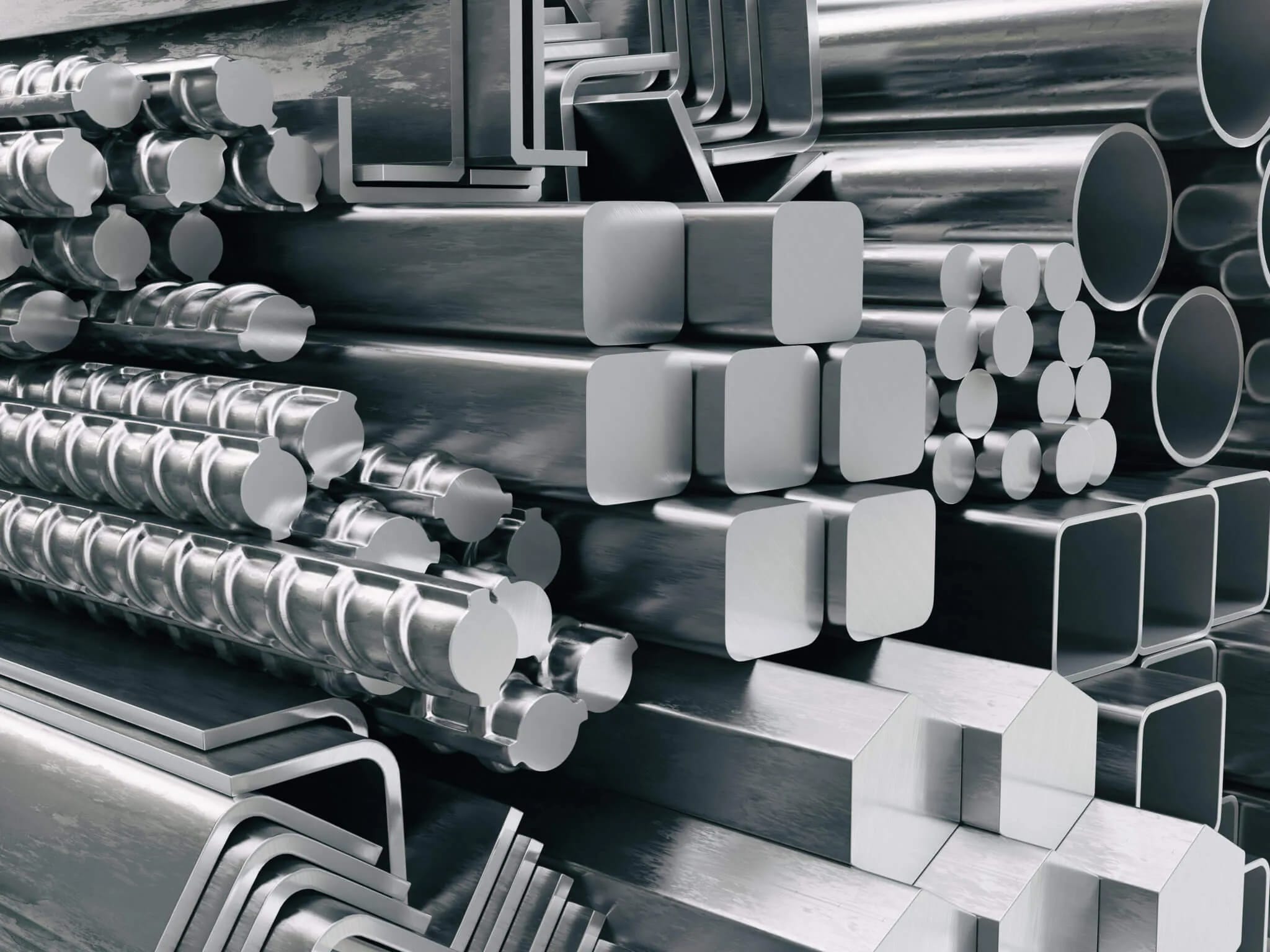
Beijing steps up its fight against the commodity's rising price; the product is one of the main drivers of inflation in the country
It feels like a rerun. The Chinese government has once again intervened in the iron ore market, and this time the crackdown is likely to be more intense.
China acted to cool speculation last year, after ore prices hit a record in May. The authorities resumed their interventions after prices rebounded more than 80% from the lows reached in November, with strong warnings about speculation and misinformation and requests for traders to release stockpiles and provide information on inventories and prices. The authorities are also investigating illegal practices, such as deliberate hoarding of the product to inflate the market.
What is at stake is the price of a commodity essential to the profitability of major miners such as Brazil's Vale (VALE3), Rio Tinto Group and BHP Group — the day before, Vale's shares plunged 4.30%.
The product is also one of the main drivers of inflation in China, which imports about 70% of all the iron ore shipped by sea worldwide. The rhetoric has become sharper as the authorities try to strike the difficult balance of stimulating economic growth without fueling inflation.
“China can put pressure on iron ore prices by raising the cost of trading futures contracts and individually pressuring the main firms that trade the product,” said Tomas Gutierrez, an analyst at Kallanish Commodities. “But the toolbox is limited. A more sustained pullback in the iron ore price will only be likely when the markets conclude that they have overestimated China's willingness to stimulate the economy.”
Futures contracts in Singapore fell as much as 21% after hitting their highest price in five months in early February, underscoring iron ore's status as one of the most volatile commodities in the world.
The increase in steel production is expected to drive iron ore consumption. Beijing has extended the timeline for the steel sector's peak in polluting emissions, which may indicate that a more robust, carbon-intensive stimulus is on the way. Daily crude steel output reached 2.79 million tonnes, up 0.5% from the previous month, according to estimates by the China Iron and Steel Association. Fortescue Metals Group estimates that Chinese steelmakers could produce 1 billion tonnes of steel this year.
Higher infrastructure spending and monetary easing could also boost demand. More than a dozen provinces and municipalities have presented industrial and infrastructure projects requiring total investments of over 25 trillion yuan (US$3.9 trillion), according to local media.
Some are wondering when demand will pick up enough to reduce the huge stockpiles accumulated in China. Steel mill activity is subject to production and emissions restrictions to ensure blue skies during the Winter Olympics. Inventories at China's main ports are the largest since 2018.
Source: https://exame.com/invest/mercados/minerio-de-ferro-china-volta-a-interferir-no-mercado-e-derruba-acoes/
Invest in the future with Tessa! Talk to one of our consultants and turn your project into an example of sustainability and efficiency.
Follow the Tessa Blog and stay up to date with all the news, trends, tips and market developments.