Maximizing the potential of solar energy: understanding energy storage
Maximizing the potential of solar energy: understanding energy storage In recent years, solar energy has emerged as an environmentally friendly and economically viable solution for power generation. However, one of the challenges facing solar energy is the intermittency of the…
By Thiago Tesserolo Souza2 min read
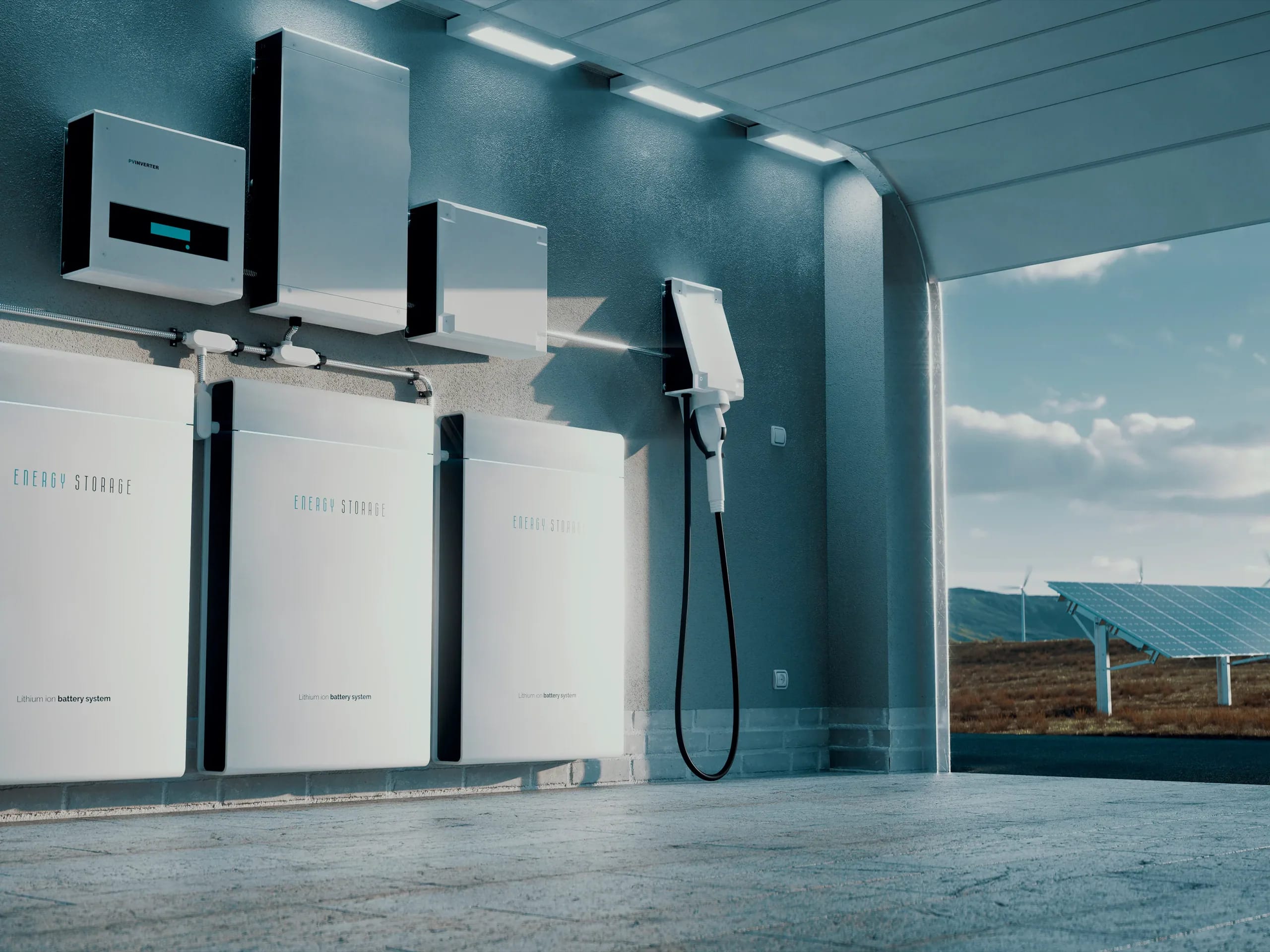
In recent years, solar energy has emerged as an environmentally friendly and economically viable solution for power generation. However, one of the challenges facing solar energy is the intermittency of the source – the sun doesn't shine 24 hours a day. This is where solar energy storage plays a crucial role, allowing solar energy to be captured and used efficiently throughout the day and even at night. In this article, we explore the importance of solar energy storage, its technologies and its benefits.
The need for solar energy storage
While solar energy systems generate electricity during the day, this generation is directly proportional to the intensity of sunlight. At night or on cloudy days, power generation is limited or nonexistent. Solar energy storage solves this problem by allowing excess energy generated during the day to be stored for later use. This ensures a continuous supply of electricity, even when solar conditions are not ideal.
Solar energy storage technologies
Solar batteries: Batteries are the most common storage technology for residential solar systems. Lithium-ion batteries are widely used due to their high energy density, cycle efficiency and reasonably long service life. They store the solar energy generated during the day and release it when needed, keeping the lights on even after sunset.
Thermal storage: In solar thermal energy systems, solar energy is used to heat a thermal fluid, which is then stored in insulated tanks. This stored heat can be converted into electricity or used directly for heating applications, such as hot water or space heating.
Hydrogen storage: Solar energy can also be used to produce hydrogen through water electrolysis. This hydrogen can be stored and later used to produce electricity through fuel cells.
Benefits of solar energy storage
Continuous energy supply: Solar energy storage allows systems to keep supplying electricity at night and in adverse weather conditions, increasing system reliability.
Self-sufficiency and cost reduction: Storing solar energy allows owners to reduce their dependence on the conventional power grid, saving on energy bills and providing a backup power source in the event of a power outage.
Grid integration: Solar energy storage systems can also be used to provide services to the power grid, such as voltage and frequency stabilization, becoming valuable assets in smart energy systems.
Solar energy storage plays a key role in maximizing the potential of solar energy as a reliable and sustainable source of electricity. By overcoming the challenges of intermittency, solar energy storage technologies turn the sun's energy into a continuous power source, helping drive the global transition to a cleaner and more efficient energy mix. With continued advances in storage technologies, we can look forward to a more resilient and sustainable energy future.
Invest in the future with Tessa! Talk to one of our consultants and turn your project into an example of sustainability and efficiency.
Follow the Tessa Blog and stay up to date with all the news, trends, tips and market updates.