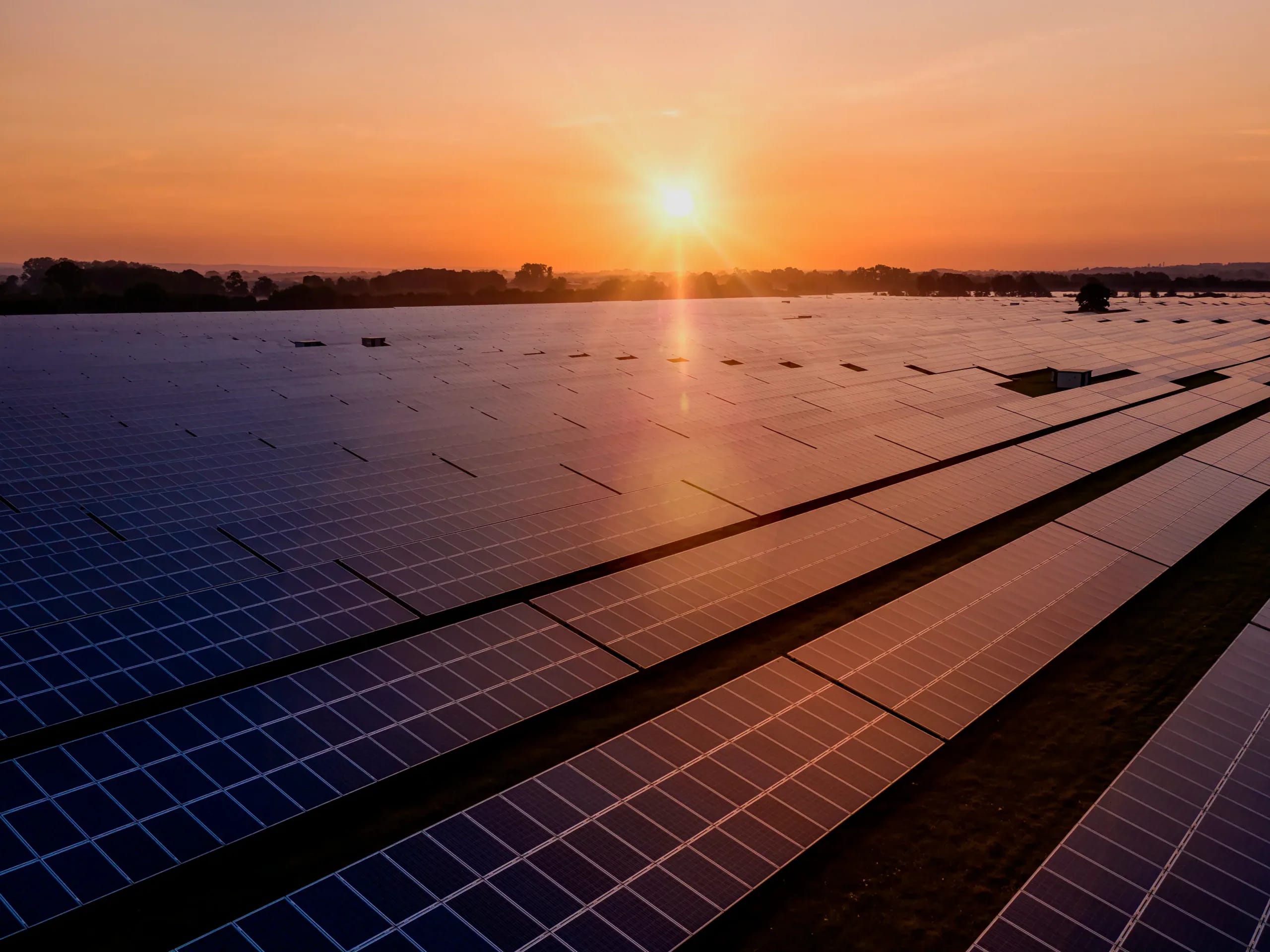
Sustainability: projection points to solar as the world's main energy source before 2050
Sustainability: projection points to solar as the world's main energy source before 2050 The energy transition has become an increasingly prominent topic in the Brazilian industrial sector. According to a survey by the National Confederation of Industry (CNI), four in ten…
By Thiago Tesserolo Souza3 min read

The energy transition has become an increasingly prominent topic in the Brazilian industrial sector. According to a survey by the National Confederation of Industry (CNI), four in ten industry leaders intend to prioritize investments in renewable energy sources over the next two years. This figure shows that the adoption of clean, sustainable energy is becoming a market trend, especially in the Southeast and South regions of the country.
The survey conducted by the Institute for Reputation and Image Research (IPRI) found that 54% of industries are very interested in adopting solar generation as an energy source over the next two years. Another 21% show some interest, albeit more cautious, in adopting this energy source. It is important to note that this preference for solar energy is seen across all sizes of industry, from small to large companies.
However, researchers warn of four barriers that could undermine this sustainable trajectory. Power grid stability, financing in developing economies, supply chain capacity and political resistance from regions economically dependent on fossil fuels are challenges that must be overcome to ensure a smooth transition to solar energy.
Realistic Projections and a Virtuous Cycle of Innovation
University of Exeter researcher Femke Nijsse points out that previous projections have often underestimated the virtuous cycle of innovation, in which technologies are continuously improved, making solar energy more affordable and efficient. This more realistic approach reflects the rapid growth of solar energy in recent decades and points to an even more promising future.
Nijsse emphasizes that traditional models often assume that technological learning will reach a saturation point when, in reality, innovation in solar technology is happening at an accelerated pace. This highlights the importance of constantly updating projections to reflect the dynamic evolution of the sector.
Challenges to Overcome for a Smooth Transition
Although solar energy is set to become the main energy source, some challenges need to be addressed to ensure a smooth and efficient transition.
Grid Resilience:
Solar generation is variable, depending on the weather and the amount of sunlight.
Solutions include investing in other renewable sources, such as wind power, efficient transmission networks and electricity storage systems.
Access to Financing:
The growth of solar generation depends on the availability of credit.
Lower-income countries, especially in Africa, need investment to tap into their enormous solar energy potential.
Supply Chain:
A solar-powered future will require intensive use of metals and minerals.
The rising demand for inputs such as lithium and copper must be managed sustainably.
Political Opposition:
Resistance from declining industries could affect the energy transition.
Regional industrial development measures can mitigate risks and address the inequity caused by resistance from these sectors.
Toward a Sustainable Future
Despite the challenges, projections indicate that solar energy is set to become the world's main energy source before 2050. To ensure a successful transition, it is crucial to address the barriers mentioned, promoting power grid resilience, facilitating access to financing, managing the supply chain sustainably and implementing policies that encourage a fair transition for all economic sectors. A sustainable future lies ahead of us, and solar energy will play a fundamental role along the way.
Invest in the future with Tessa! Talk to one of our consultants and turn your project into an example of sustainability and efficiency.
Follow the Tessa Blog and stay up to date with all the news, trends, tips and market developments.