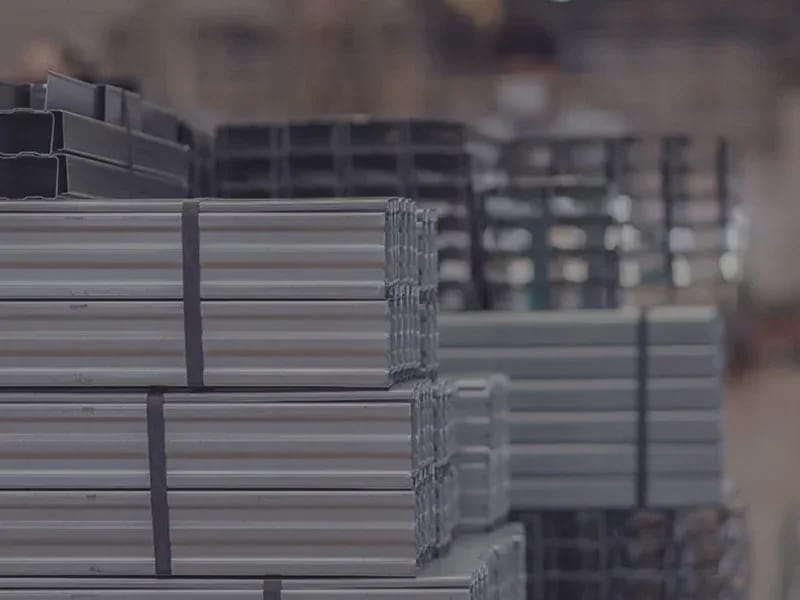
Not all steel is the same, and that defines the performance of a steel structure
In construction and industry, using steel in steel structures requires much more than choosing a strong material.
By Thiago Tesserolo Souza4 min read
Why choosing the right steel directly affects the safety, durability and cost of a project
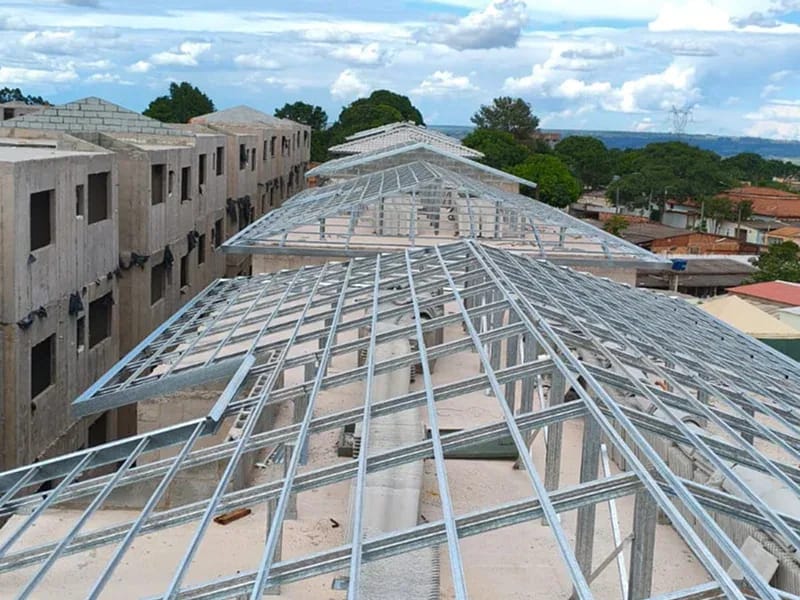
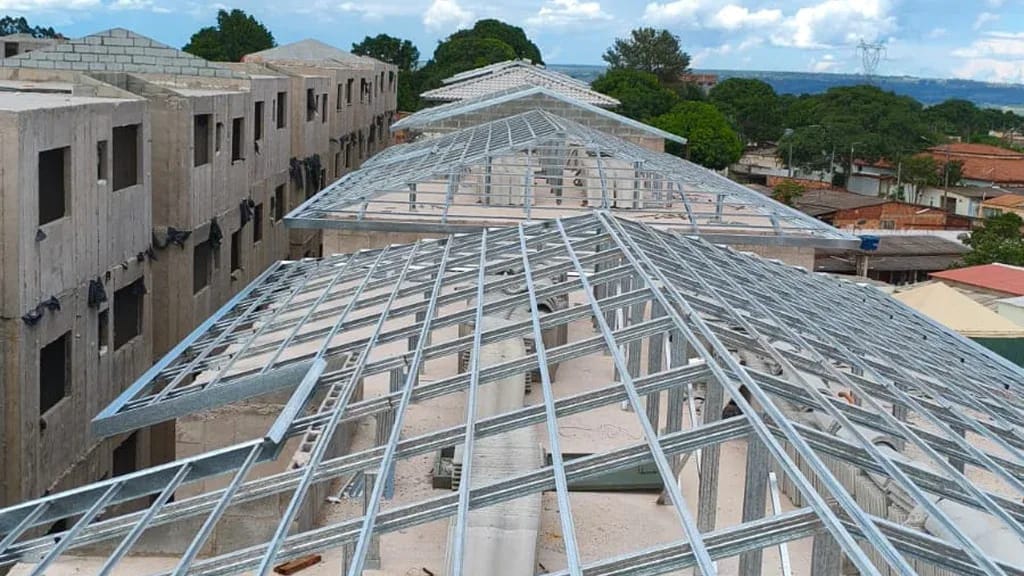
In construction and industry, using steel in steel structures requires much more than choosing a strong material. The idea that “all steel is the same” still persists in the market, but this belief undermines the durability, safety and economic viability of any project. Quality steel structures start with the correct steel specification, long before fabrication or on-site assembly, whether in a residential steel roof, an industrial steel roof framing system or large structures for solar energy.
Made of specific metal alloys, structural steels vary according to their chemical composition, manufacturing process and surface protection treatments. These variations explain why seemingly similar structures, such as steel roof framing profiles or roof beams, can perform completely differently over time.
🔍 What really sets apart the steels used in steel structures
Two steel profiles may look identical, yet behave completely differently when subjected to loads and real-world service conditions. The difference lies in technical factors that are invisible to the naked eye but define the structural performance of the project, such as:
- ⚙️ Controlled chemical composition, with the right content of carbon and alloying elements
- 🏭 Industrial manufacturing process, which influences strength, uniformity and repeatability
- 📈 Mechanical properties, such as yield strength, tensile strength and ductility
- 🛡️ Protective coatings, essential to the durability of the steel structure
These aspects are decisive in applications such as steel roof structures, steel carport structures, steel structures for solar plants, PV ground-mount structures and steel structures for poultry houses, where safety and service life are critical factors.
🌧️ Corrosion is the main cause of failure in steel structures
In practice, many steel structures do not fail through structural collapse, but through the progressive loss of material caused by corrosion. Environments with humidity, pollution or chemical agents accelerate this process and drastically shorten the service life of the structure when the steel is not properly protected, especially in exposed steel roof framing or agricultural structures.
That is why the use of galvanized steel or suitable anti-corrosion coatings should not be treated as an optional extra, but as an integral part of the structural design. Well-specified protection reduces maintenance, avoids future reinforcement and ensures predictable performance over the years.
💸 When saving on steel increases the cost of the project
Choosing steel based only on the lowest upfront price usually produces a false saving. In the medium and long term, the impacts become clear:
- 🔧 Premature maintenance
- 🧱 Need for structural reinforcement of the steel roof framing or the roof
- ⏳ Shorter service life of the structure
- ❗ Higher technical risk
- 📉 Higher total project cost
In projects such as steel carport structures, steel structures for solar plants or agricultural buildings, these problems appear quickly. That is why experienced engineers assess the total cost of ownership, considering performance, durability and maintenance, not just the initial cost of the material.
✅ How to define the right steel for each type of steel structure
In engineering, there is no such thing as “the best steel”. There is the right steel for each application. The technical definition should always start from the standards and the real service conditions of the steel structure. The main criteria are:
- 📐 Applicable structural standards, such as ABNT NBR 14762, ABNT NBR 8800 and ABNT NBR 6123
- 🌪️ Exposure environment, including corrosivity levels
- 🛠️ Construction process, such as prefabrication, transport and assembly
- 🗓️ Design service life of the project
In steel structures for residential roofs and affordable housing, cold-formed galvanized steel meets strength and durability requirements well. In fixed PV structures, ground-mount structures and carports, however, the steel must continuously withstand wind loads and weathering, with enhanced anti-corrosion protection. In steel structures for poultry houses, where humidity and ammonia are constantly present, correct steel specification is crucial to prevent premature loss of the structure.
📌 Conclusion
Treating steel as a generic product increases risk and reduces the performance of the steel structure. Treating steel as engineering is the way to ensure safety, durability and predictability throughout the service life of the project. Structural quality starts with the correct specification of the material, based on technical standards, exposure environment and structural function.
At TESSA, every steel structure project, from steel roof framing to solar carports, is developed with this care from the very start, because the final performance of the project begins with choosing the right steel.
Want to know more? Visit the Tessa blog and follow all the news about our participation in Intersolar 2025 and the innovations in the solar sector.
Want to learn more about Tessa’s steel roof structures? 🔗 tessa.eng.br/estruturas-metalicas-para-telhado
📞 (17) 99785-8050 | (17) 3267-1220
🔎 Tags
#steelstructures #structuralsteel #galvanizedsteel #steelroofframing #steelstructure #solarstructure #solarplant #carport #poultryhouse #steelroof #structuralengineering #construction #ABNTstandards